Non Traditional Wedding Planning:
How to Plan a Wedding That Feels Like You Instead of a Performance
This doesn’t feel like us.
At some point during your planning, you might start to feel like it’s not really you anymore.

It’s not always obvious at first. It starts with small things. A timeline that feels a bit too tight. A suggestion that “most couples do it this way.” Little expectations that don’t quite sit right, but are easy to go along with.
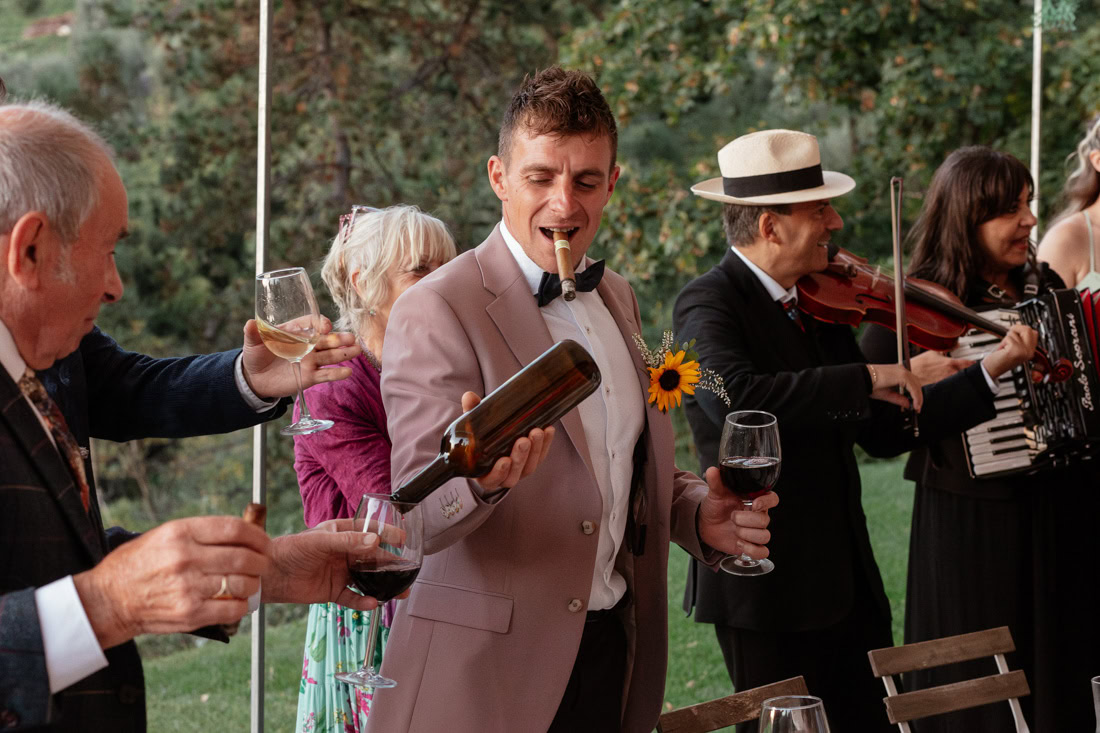
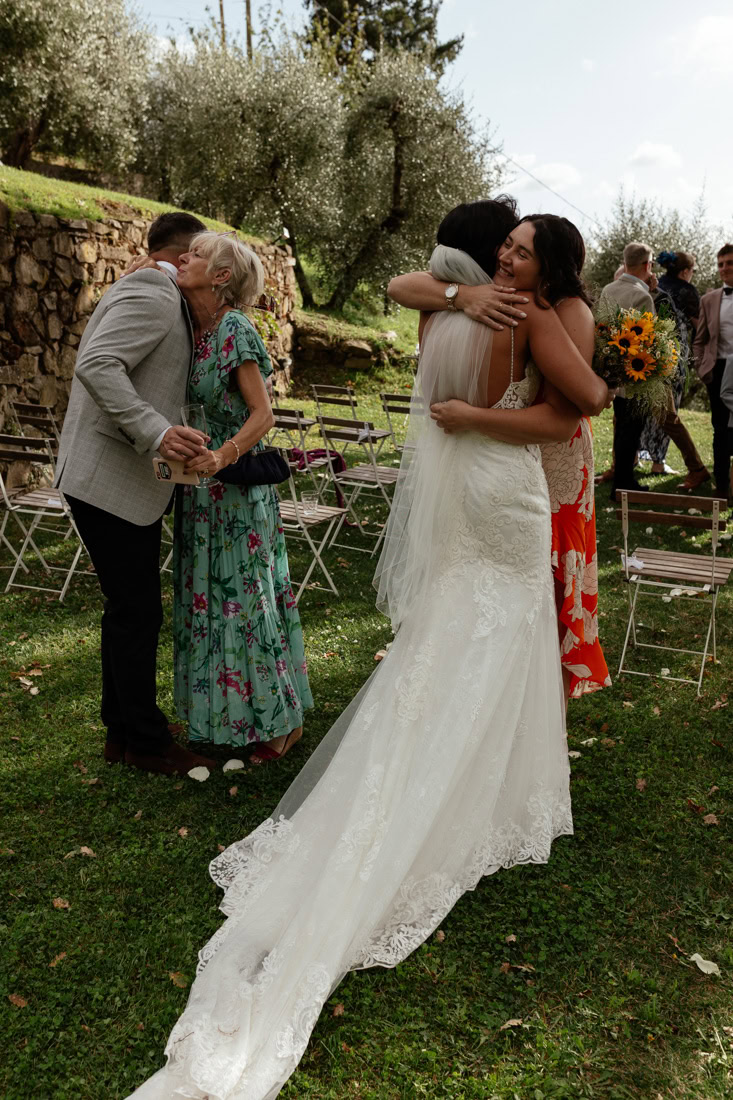
A lot of it comes from the wedding industry itself. There’s a strong pull towards tradition and doing things a certain way, a kind of cookie-cutter version of what a wedding should look like.
The social media effect, There is massive pressure to create a “Pinterest-perfect” day and venues can add to that as well. Timings, structure, how the day flows. It can start to feel like you’re fitting yourselves into something, rather than the day being built around you.
The result is a day that can feel more like a performance instead of you getting to actually experience the day.
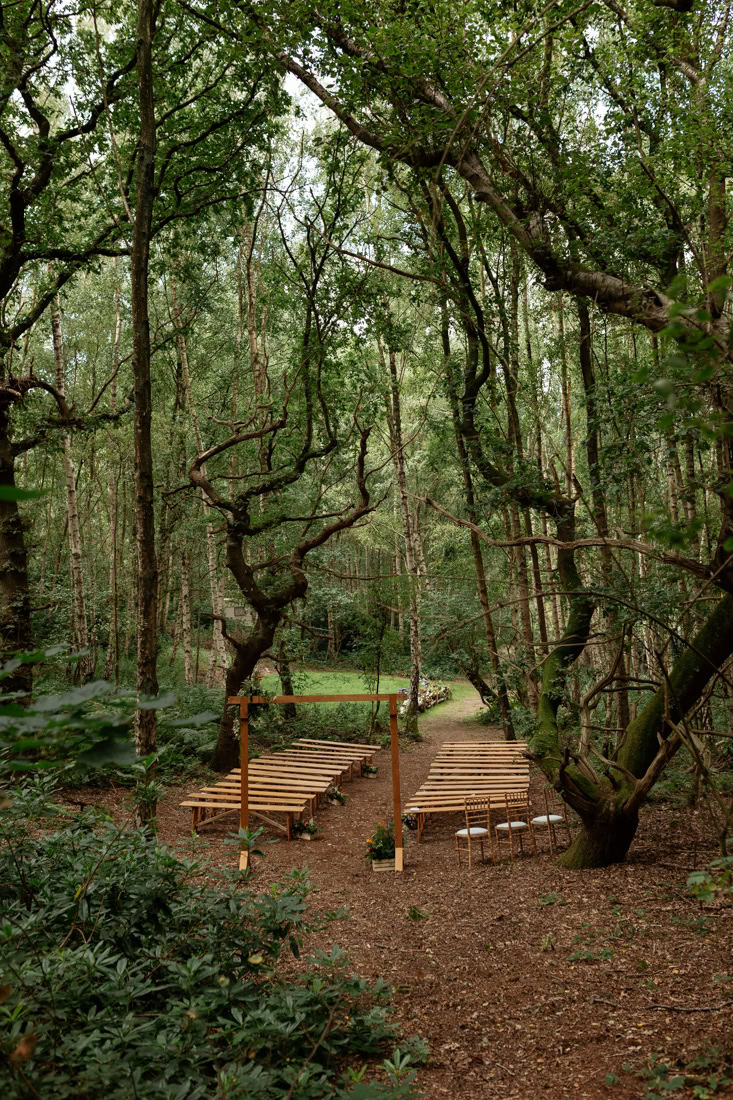
What Non Traditional Wedding Planning Really Means
It’s not anti-wedding, it’s pro intention there’s isn’t a fixed version of what this looks like. The point is that it reflects you, not a template.
intentional wedding planning
Question every “must have” by looking at each part of the day and asking, does this actually feel right for us? It doesn’t even have to be that deep, simply asking “Do we want to spend time doing this?”
purposeful wedding choices
For some people, that might mean changing a lot. For others, it might mean keeping certain traditions but doing them in a way that feels more relaxed. It looks different for everyone. It could be an intimate dinner for 20, a destination elopement or a packed celebration designed from scratch.
Start With How You Want the Day to Feel
Before you think about logistics, timings, or details, step it right back back to this.
How do we want to feel on the day?
Calm + Relaxed
Unrushed + Connected
Write those words down, so you can come back to them. They matter more than colour palettes or table settings. If something you’re planning doesn’t support that feeling, and decisions start to feel overwhelming. It’s worth questioning whether it needs to be there at all.
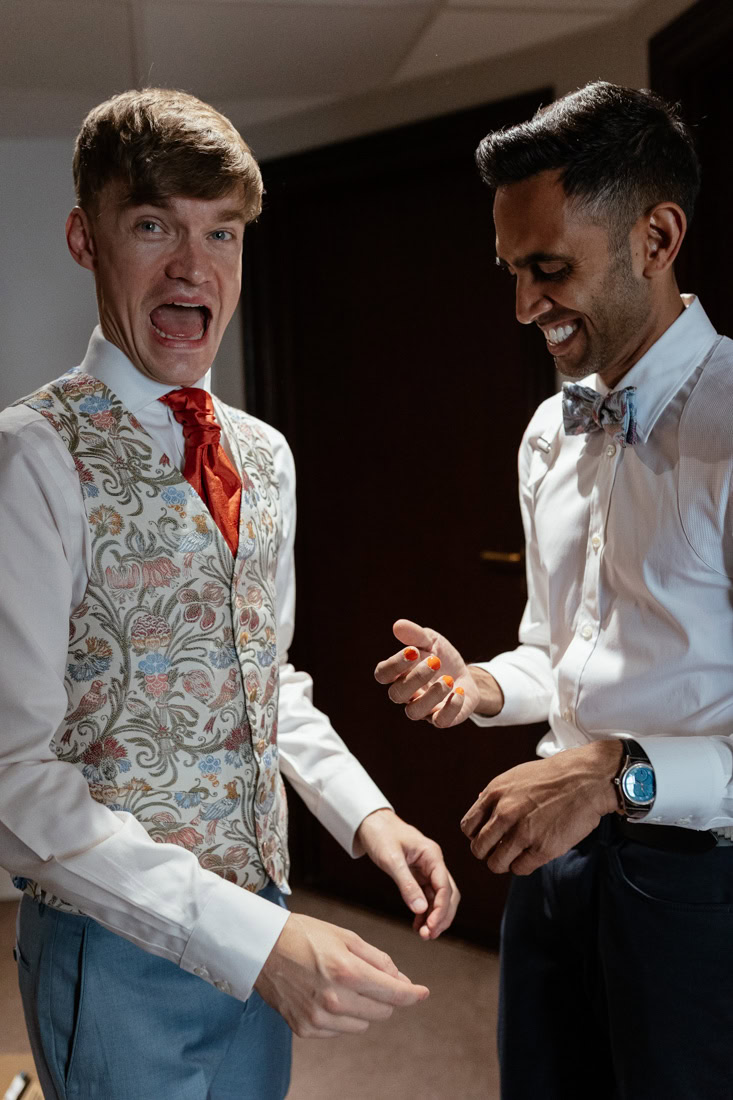
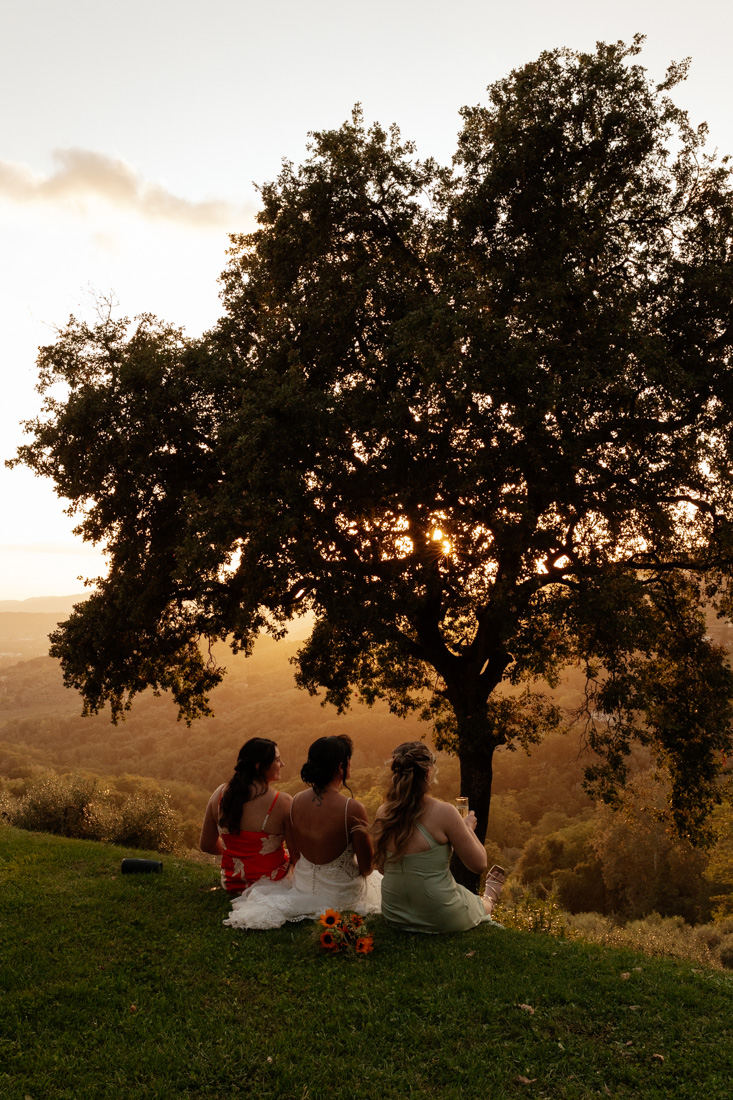
Question Every Tradition
There are a lot of wedding traditions that people follow without really thinking about them.
Giving the person away, cake cutting, first dance, the set ceremony, cocktail hour then reception format that some venues still require. Being pulled from one thing to the next. These heavily structured moments don’t leave much room to just exist.
None of these are inherently wrong. But they don’t suit everyone. You’re allowed to skip things and change them. Do them differently or not do them at all. The power comes in having a chat and making that choice.
Are we doing this because we want to or because it’s expected? This question is at the heart of non traditional wedding planning.
Plan to Spend The Day Together
Wedding days go fast, so be intentional about experiencing your day side by side and not just during the big moments.
Connection in the little moments
A hand squeeze, an arm linked together, a quiet embrace these small gestures help anchor you to each other amid the energy and chaos of the day.
Sneak off for a quick 5 min
Take a look at your timeline and intentionally build in moments that are just for the two of you. This could be a few minutes while guests move between locations, just before the confetti, or while you’re waiting to make your entrance.
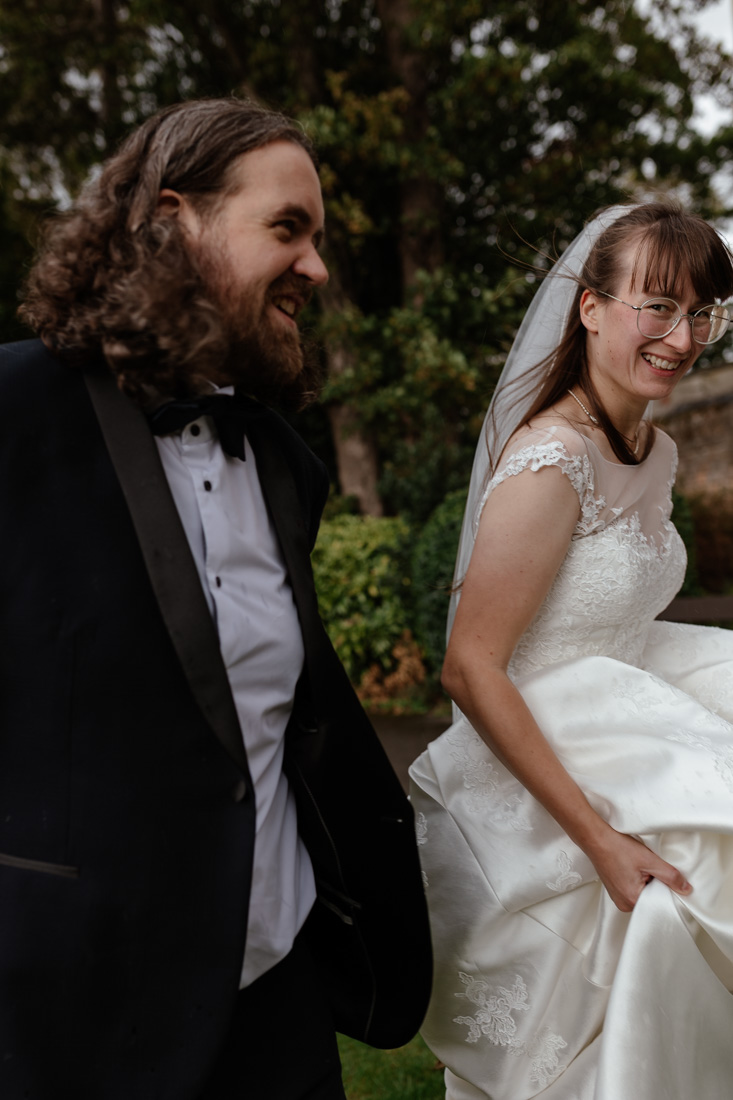
You live your lives together
So why not start your wedding day the same way? Getting ready together allows you to create your own traditions and step away from the old-school idea that you shouldn’t see each other before the ceremony.
A first look
You could meet each other before the ceremony, in a quieter and more private setting instead of in front of everyone, it can be incredibly powerful. Then you could walk into your ceremony together.
Build a Day That Supports Being Present
If being present is important to you, your plans need to support that
That often means creating space in your timeline.
01.
Not everything needs a purpose
Giving yourself time to just be with the people you’ve invited, instead of moving from one part of the day to the next. Imagine, you’ve invited 70 humans you love, you’re going to want to hang out with them all so build that time into your day.
02.
BUILD IN TIME TO JUST BE
The structure of the day shapes your experience more than you might realise. When you look at your day are there any moments without schedules or expectations?
03.
EXPECTATIONS VS REALITY
Your mindset also plays a huge part in how the day feels, instead of asking “Is everything going to plan?” try asking “Are we enjoying this?” Those two questions lead you to very different places.
Choose
Suppliers
Who
Reduce Performance Pressure
The people around you affect how the day feels and this includes your suppliers, look for suppliers who align with you and your values because feeling understood matters.
Most wedding advice focuses on what suppliers do. But how they make you feel while doing it matters just as much. Choose to have people around you who understand your approach, pick suppliers who don’t add pressure and who don’t expect you to perform.
Being understood is not a luxury. It’s what makes the whole day feel like yours.
The Idea of a “Perfect” Wedding
Perfection is often where the pressure comes from.
Trying to get everything right.
Trying to meet expectations.
Trying to make sure nothing goes wrong.
It’s exhausting before the day even begins.
The pursuit of a “perfect” wedding rarely starts with your plans. It starts with outside noise from Instagram feeds, Pinterest boards, well-meaning family members, and an entire industry built around the idea that your wedding should look a certain way.
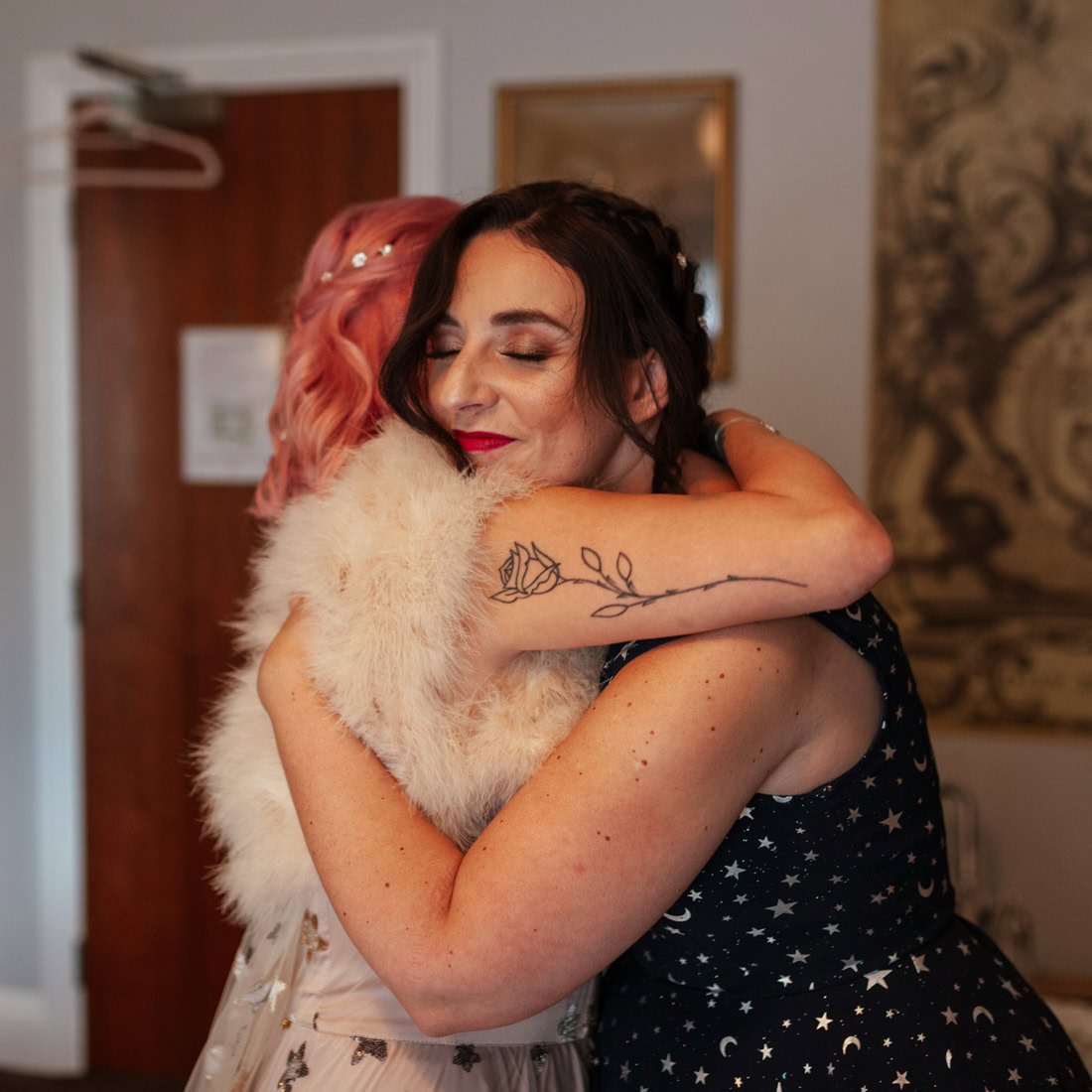
When you absorb enough of that noise, perfection stops feeling like a choice and starts feeling like an obligation. And obligations don’t leave much room for presence or happiness.
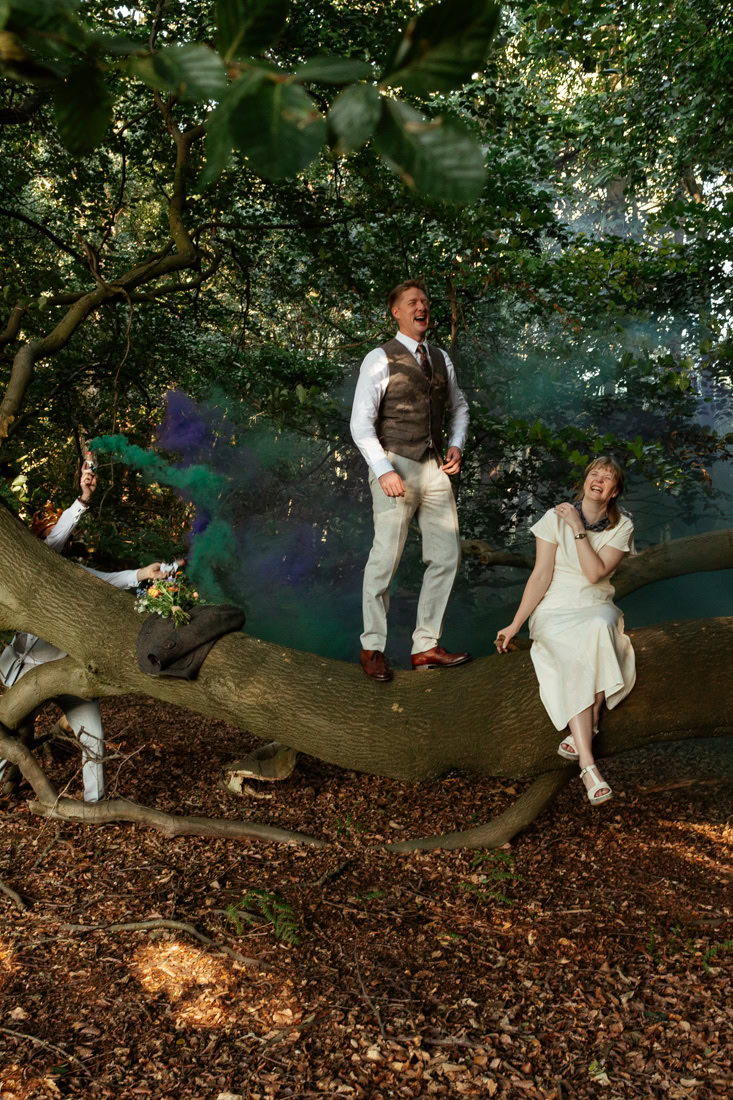
The things people remember about a wedding are rarely the perfectly timed or perfectly styled parts. It’s how it felt to be there, the moments of chaos, the silliness and wedding randomness that people will remember and laugh about.
The Idea of a “Perfect” Wedding
Trying to get everything right.
Trying to meet expectations.
Trying to make sure nothing goes wrong.
It is exhausting before the day even begins.
Perfection is often where the pressure comes from.
The pursuit of a perfect wedding rarely starts with your plans. It starts with outside noise from Instagram feeds, Pinterest boards, well-meaning family members, and an entire industry built around the idea that your wedding should look a certain way.
When you absorb enough of that noise, perfection stops feeling like a choice and starts feeling like an obligation. And obligations don’t leave much room for presence or happiness.
The things people remember about a wedding are rarely the perfectly timed or perfectly styled parts. It’s how it felt to be there, the moments of chaos, the silliness and wedding randomness that people will remember and laugh about.
Non traditional wedding planning
A wedding that feels like you isn’t about doing something wildly different. It’s about making decisions that feel right for you, and letting that guide everything else. It might feel a bit different to what you’ve seen before. It might be quieter, slower and less structured. It might be a packed day but the point is you have made all of those decisions and you have chosen them with intention, for a reason.


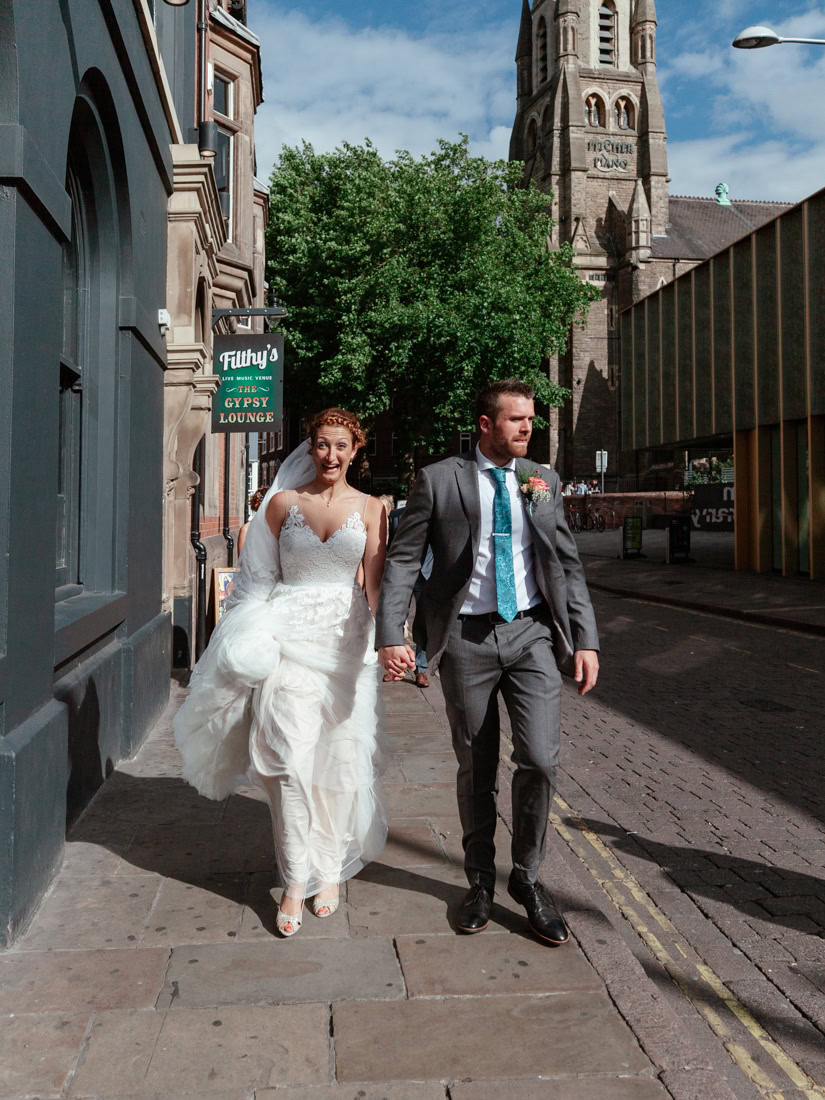
Final Thoughts: You Don’t Have to Perform
If something about wedding planning feels uncomfortable, it’s worth paying attention to that.
You don’t have to follow a structure that doesn’t suit you.
You don’t have to include things that don’t feel right.
And you don’t have to shape your day around how it’s expected to look.

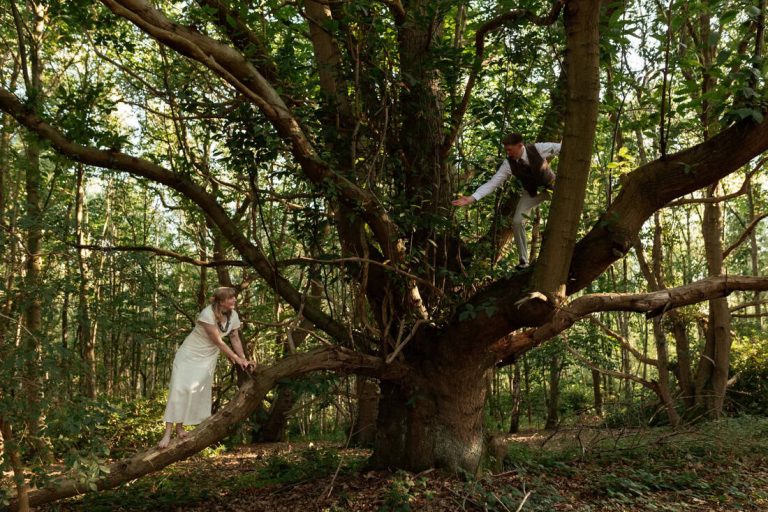

LOOKING FOR RELAXED WEDDING PHOTOS?
No forced smiles, no stiff posing.
You must be logged in to post a comment.